
Repair guidance / Belling / BR3
The oven is uneven on a familiar setting
Describe which shelf or side cooks differently and whether the change is new. Fan circulation, heating performance and ordinary cooking conditions can affect the result. An existing independent oven thermometer reading can be reported, but do not dismantle the appliance to investigate.
A different pattern: the door will not close properly
Describe a loose handle, uneven gap or hinge movement separately. A hot door, loose glass or damaged hinge makes continued use unsuitable. Do not remove a heavy oven door or release spring-loaded fittings without the correct model-specific procedure.
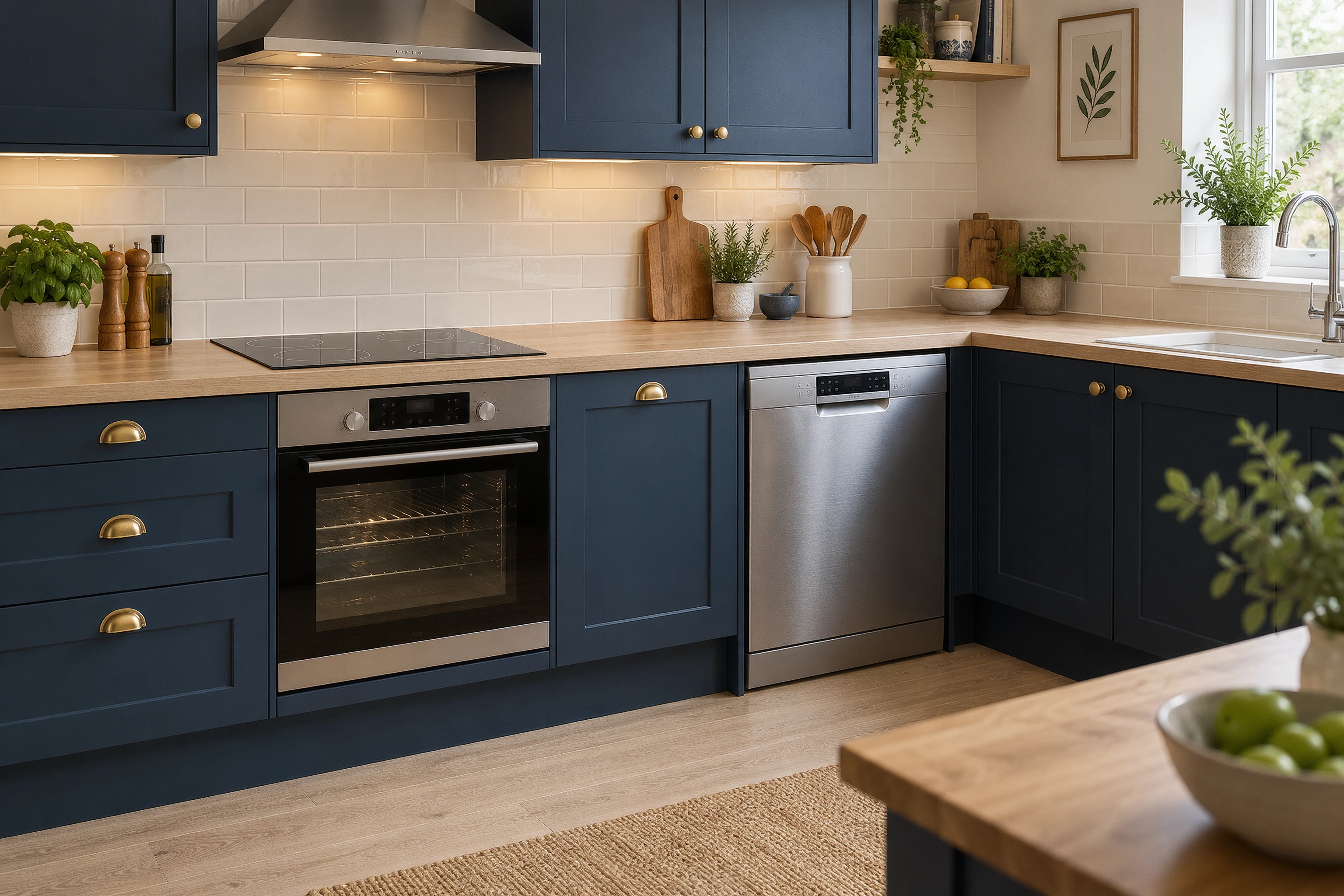
A fitted appliance behind a furniture door
Describe the visible furniture panel, plinth and surrounding cupboards. A built-in appliance needs its access and connection arrangement checked before removal; do not detach cabinetry or pull the appliance forward to make the enquiry.
Identify this Belling model
Include the full model, fuel type, serial number and which oven, hob zone or control has failed. Gas work and engineer qualification must be confirmed before acceptance.
Details for Beckenham enquiries
Provide the full BR3 postcode and any entry or access instructions for the Beckenham property. Tell us about a furniture panel, tight cupboard or stairs when relevant; do not move the equipment to demonstrate the fault.
Questions for this repair enquiry
What details help with “the oven is uneven on a familiar setting”?
Keep the last successful operation separate from the first sign of the problem. For a report of “the oven is uneven on a familiar setting”, say what still works and what no longer happens. If the other pattern, “the door will not close properly”, has also occurred, include its timing as a separate observation. Send these details with the full model and your Beckenham postcode; they prepare the enquiry without identifying a part in advance.
How does “the door will not close properly” change the enquiry?
Treat that as additional evidence rather than proof that both symptoms have one cause. Explain whether the two patterns began together or appeared at different times. Include the fitting context — a fitted appliance behind a furniture door — so the assessment can account for safe access as well as the reported behaviour.