
Repair guidance / Beko / BR2
Washing works but drying does not
Separate the successful wash from the unsuccessful drying stage. Record whether the drum turns, the load becomes warm and the drying phase ends normally. A combined appliance has model-specific drying arrangements, so a general tumble-dryer diagnosis should not be assumed.
A different pattern: drying takes much longer
Record whether this change was sudden or gradual, which programme is selected and whether smaller loads behave differently. Sensor-controlled estimates may vary with the load. Do not extend repeated runs if the cabinet overheats or there is an unusual smell.
A fitted appliance behind a furniture door
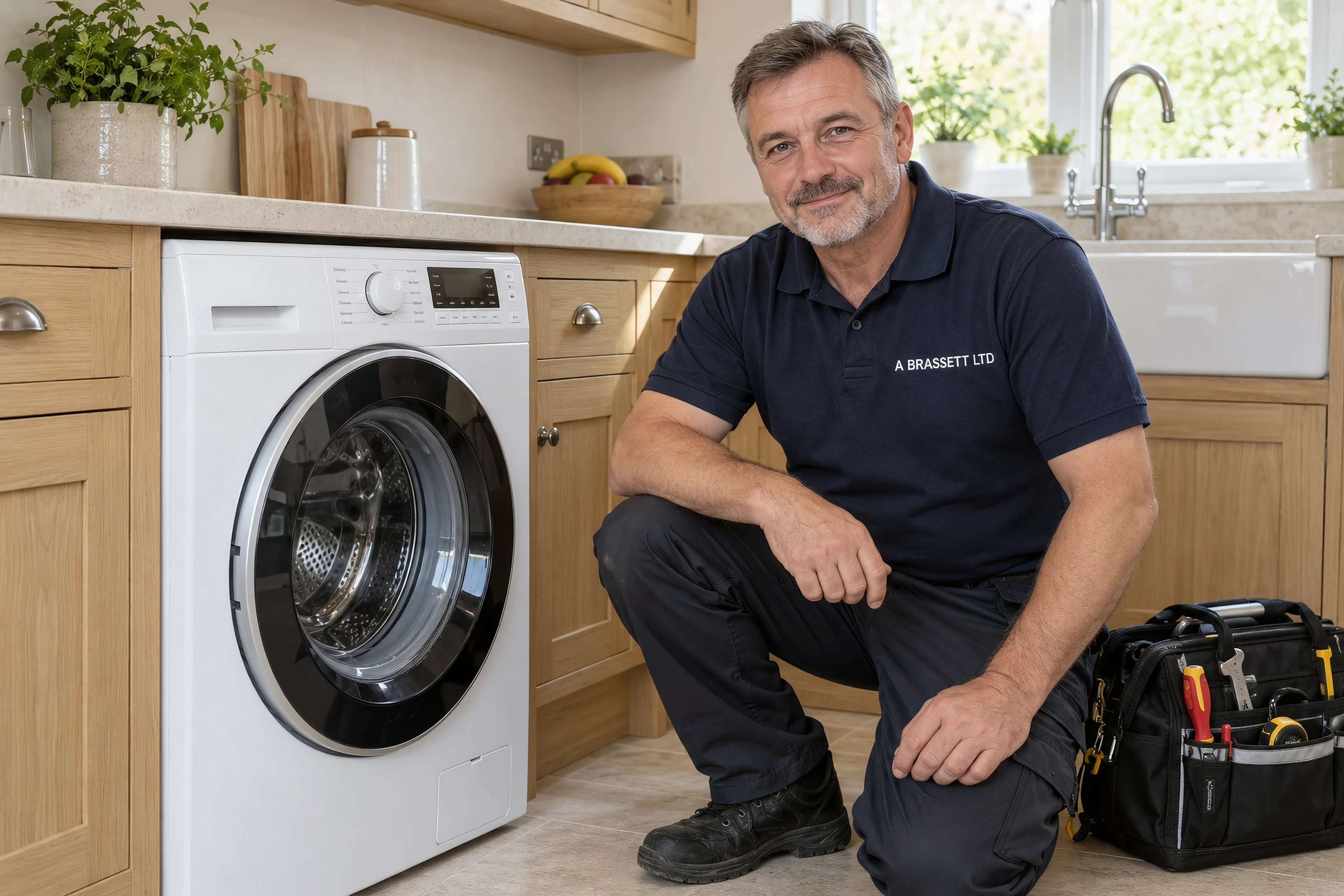
Describe the visible furniture panel, plinth and surrounding cupboards. A built-in appliance needs its access and connection arrangement checked before removal; do not detach cabinetry or pull the appliance forward to make the enquiry.
Identify this Beko model
Provide the complete model and serial number; similar-looking machines can use different parts.
Hayes in Bromley, Kent
Use the full BR2 address so this enquiry is identified as Hayes in Bromley, Kent. Include the appliance location within the property and the most useful contact number; a place name alone is not enough to confirm the visit.
Questions for this repair enquiry
What details help with “washing works but drying does not”?
Keep the last successful operation separate from the first sign of the problem. For a report of “washing works but drying does not”, say what still works and what no longer happens. If the other pattern, “drying takes much longer”, has also occurred, include its timing as a separate observation. Send these details with the full model and your Hayes postcode; they prepare the enquiry without identifying a part in advance.
How does “drying takes much longer” change the enquiry?
Treat that as additional evidence rather than proof that both symptoms have one cause. Explain whether the two patterns began together or appeared at different times. Include the fitting context — a fitted appliance behind a furniture door — so the assessment can account for safe access as well as the reported behaviour.